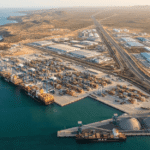

The execution of major international transport infrastructure projects, anchored by the expansion of the multi-billion-dollar Lobito Trade Corridor rail and logistics network, is reshaping trade access across the Democratic Republic of Congo (DRC). Connecting the mineral-rich Copperbelt region directly to Atlantic shipping routes, this transcontinental infrastructure development opens major opportunities for international logistics providers, equipment leasing firms, and engineering contractors. For foreign corporate groups establishing local operating subsidiaries (SARL) under OHADA commercial law, capitalizing on these regional infrastructure concessions requires strict alignment with national business creation mandates and statutory filing rules.
Navigating Company Incorporation Under OHADA Commercial Law
Foreign enterprises establishing long-term operations along the DRC infrastructure corridors must register a local operating entity through the Single Window for Business Creation (Guichet Unique de Création d’Entreprise). Incorporating a Private Limited Company (Société à Responsabilité Limitée or SARL) allows international parent groups to maintain 100% foreign ownership while securing direct legal standing to hold commercial contracts, register local transport fleets, and bid on infrastructure service subcontracts.
Under the uniform commercial law governing Central Africa (OHADA), establishing a local SARL requires drafting statutory articles of association executed before an accredited notary public. Foreign corporate shareholders must provide certified company registration documents, appoint at least one statutory manager (Gérant), and declare a verified physical office address within the country.
Securing Regional Concessions and Statutory Trade Registration
Participation in large-scale infrastructure corridors and heavy freight transport requires registration across domestic tax and commercial databases. Once corporate articles are notarized, the entity is issued a commercial registry number (RCCM), a National Identification Number (ID Nationale), and a unique Tax Identification Number (Numéro Impôt).
International contractors establishing supply chain operations must also maintain compliance with local labor rules and register with the National Social Security Fund (CNSS). For entities operating across regional trade borders, maintaining fully compliant statutory corporate records ensures uninterrupted movement of goods, protects local operational permits, and prevents administrative border delays.
Key Differences in Setup Options
Incorporating a local limited liability company (SARL) grants foreign investors permanent corporate status, independent liability protection, and full eligibility to hold domestic infrastructure subcontracts and real estate leases. Conversely, operating through a temporary foreign branch office limits operational duration to a statutory two-year maximum under OHADA rules, after which foreign branches must be legally converted into fully incorporated local subsidiaries.
Guiding Global Expansion
As Central Africa advances major strategic trade corridors and regional transportation infrastructure, establishing a compliant legal framework safeguards your business assets and commercial operations.
Explore our Global Company Formation Capabilities or reach out directly to our advisory team:

JUDr., LL.B, LL.M
Founder of Benson Formations and Vasil Group – specialist in cross-border Tax & Business Structuring.
Email: office@bensonformations.com
Phone: +44 203 974 1244
Benson Formations 25+ years, 60+ Jurisdictions, a boutique consultancy, company formation and corporate services firm focused on helping modern entrepreneurs set up and run their onshore and offshore companies. Benson Formations is the corporate services branch of Vasil Group, which delivers legal, accounting, advisory and corporate services.