
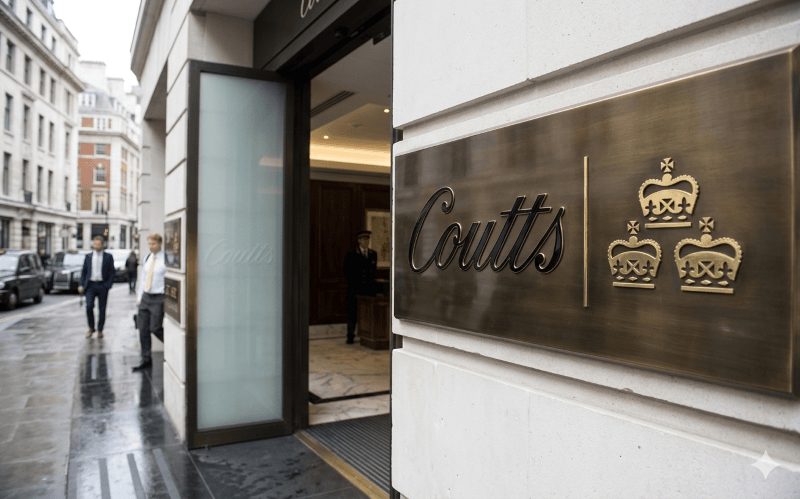
Coutts, the NatWest-owned private bank reputed to have the British monarch as its client, has raised its minimum client threshold from the previous £1 million to £3 million (€3.44 million, $4.05 million) in available assets (investments or cash savings).
This shift reflects its strategy to focus on serving high-net-worth individuals. In effect from April 2026, however, existing clients are generally not to be affected by this new minimum requirement.
“Our ambition is to be the UK’s number one chosen partner for private banking and wealth management,” a spokesperson told WealthBriefing when asked about the change.
Such increase to the amount needed to open an account at Coutts raises questions about what is the profitable point for banks to set such minimums, where this leaves those who fall beneath this level, and what alternatives are available, i.e. whether those at the higher reaches of the mass-affluent side, or lower high net worth end, may need different options.
Furthermore, the change also shows how a £1 million sum is not as strong as it used to be, as fiat currencies such as British pound have been debased over the decades due to inflation.
Do you want to know more about options for opening your offshore or onshore bank account? Reach out to us at +44 20 3974 1244 or at office@bensonformations.com. We are ready to find the best, viable solution for you.